Tenerife travel guide
Hiking in Tenerife: Where to Walk and What to Know
Plan hiking in Tenerife across Teide, Anaga and Teno with guidance on trail reservations, weather, footwear and choosing routes for your ability.
Tenerife is one of the strongest hiking destinations in the Canary Islands because one island gives you high-altitude volcanic terrain, laurel forest, dry southern paths, deep ravines and rugged coastal routes.
The key planning rule is that “hiking in Tenerife” is not one environment.
A route in Anaga can be wet and green while Teide is dry, exposed and much colder.
Check Tenerife ON before hiking
Trail access can change.
Tenerife ON is the official platform to use for:
- route information;
- closures;
- reservations;
- protected-area access;
- conditions on controlled trails.
Some routes require advance booking.
Current official documents also distinguish ordinary signed walking routes from controlled areas such as Masca, El Pijaral and specific Teide trails.
Do not assume that a route mentioned in an old blog post is freely accessible today.
Hiking in Teide National Park
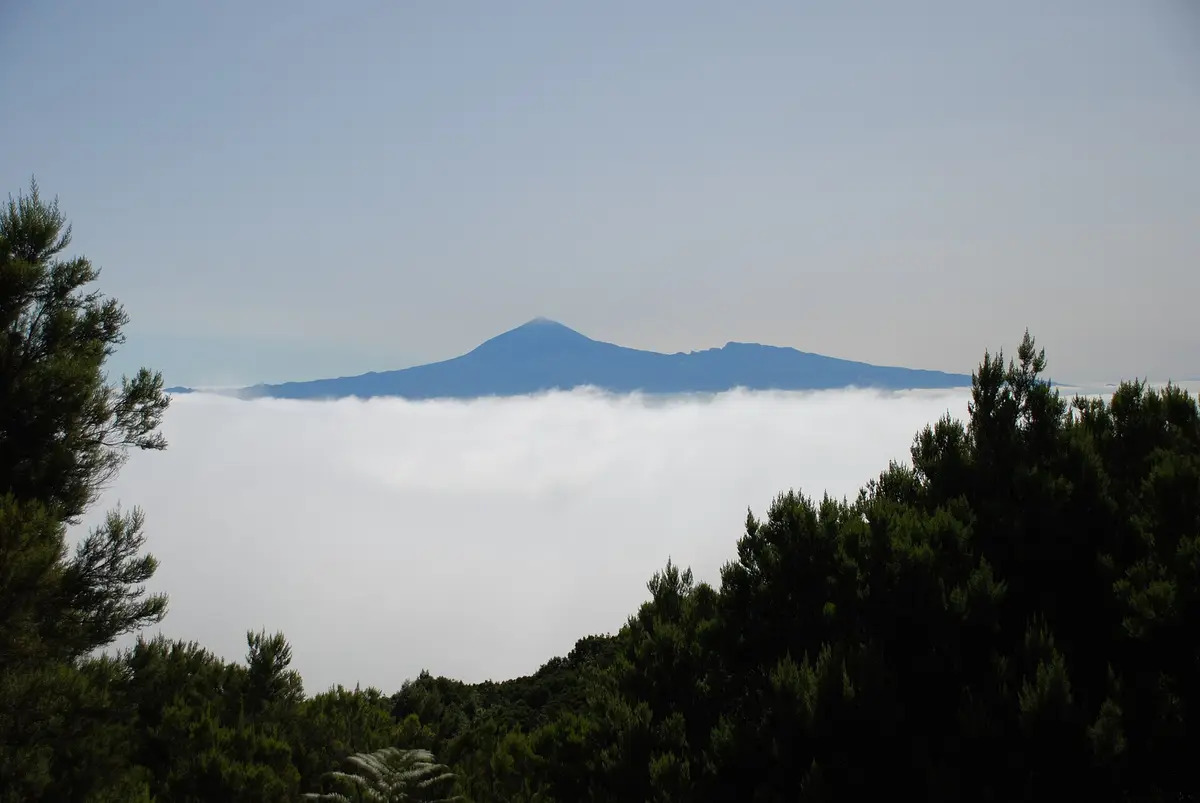
Teide National Park gives you the most dramatic high-altitude terrain.
Options range from short roadside walks to demanding mountain routes.
The important distinction is between:
- ordinary park sightseeing;
- short open trails;
- controlled high-mountain routes;
- final summit access.
Some Teide trails currently require mandatory Tenerife ON reservations and specified equipment.
Altitude also changes the physical difficulty.
A route that looks moderate on paper can feel much harder above 2,000 metres.
Hiking in Anaga
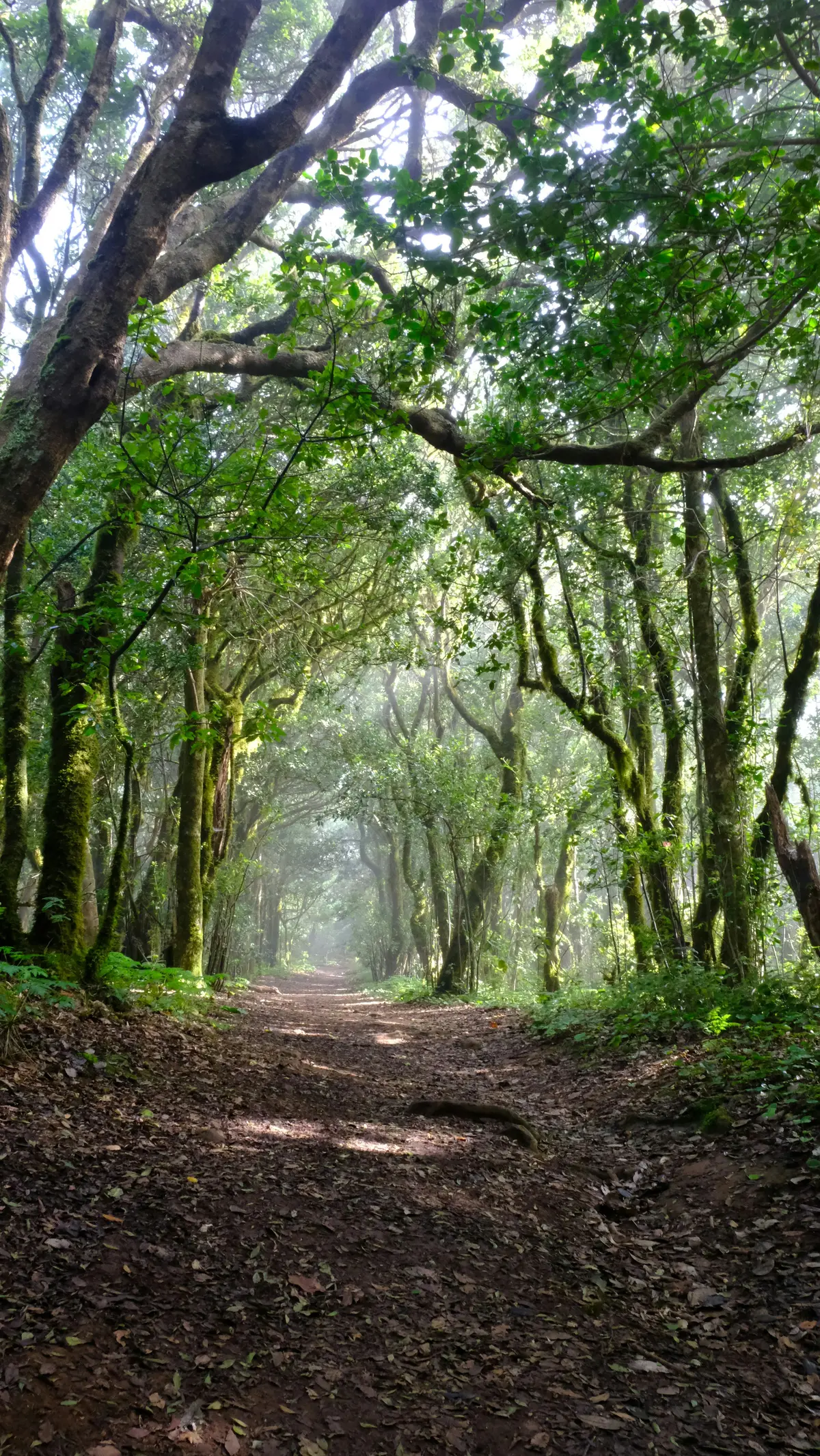
Anaga Rural Park offers a completely different landscape.
Expect:
- laurel forest;
- steep ridges;
- villages;
- cloud;
- mud after rain;
- exposed coastal sections.
This is one of the best areas for first-time Tenerife walkers because you can choose between short forest walks and more demanding routes.
However, some protected areas and trails have their own access restrictions, so check the current official route page.
Teno and Masca
The Teno mountains in the west provide dramatic ravines and ridges.
The famous Masca gorge is regulated and should be planned as a specific booked activity.
Do not arrive assuming you can simply start walking down the gorge.
For a less regulated experience, Teno has other walking options, but route conditions and transport logistics still matter.
Coastal hikes
Tenerife's coast has excellent walking, especially where volcanic cliffs and older paths create strong scenery.
Coastal routes can still be exposed to:
- sun;
- wind;
- rough ground;
- limited shade.
Do not confuse “near sea level” with easy.
Carry enough water and use sun protection.
Best season for hiking
Tenerife can be walked year-round, but the best conditions depend on elevation.
Spring and autumn are often comfortable for mixed hiking.
Winter can be excellent at lower elevations while Teide may have snow, ice or closures.
Summer can be hot on exposed lower routes.
Instead of choosing by month alone, match the route to the day's conditions.
See best time to visit Tenerife.
Footwear
Trail shoes or hiking boots are appropriate for most serious routes.
Choose footwear with grip for:
- loose volcanic ground;
- wet forest paths;
- rocky descents.
Do not plan a demanding trail in smooth resort trainers simply because the distance is short.
For high-altitude controlled routes, follow the specific equipment requirements shown by Tenerife ON.
Water and sun
Tenerife's sun can feel strong even when the air temperature is comfortable.
Carry:
- water;
- sun protection;
- a hat;
- a light layer;
- route information.
On Teide, add warmer layers.
In Anaga, a light waterproof shell can be more useful.
Navigation
Use official route information and keep an offline map where practical.
Do not rely entirely on mobile signal.
At a junction, follow the route you planned rather than assuming the most obvious path stays on the same trail.
If conditions or signs conflict with an app, follow official local restrictions.
Guided hiking
A guided hike can be worth booking when:
- the route is technically demanding;
- transport is awkward;
- you want natural-history context;
- you do not want to navigate;
- access is easier through an organized experience.
For straightforward signed routes, independent hiking is often better value.
The point of a guide should be to solve a real problem.
Hiking without a car
It is possible, but route choice matters.
Some trailheads have bus access. Others are much easier with a rental car or transfer.
A linear hike can also create a return-transport problem even when the starting point is easy to reach.
Plan both ends before setting out.
Hiking with children
Choose routes by the least experienced person in the group.
Short forest walks in Anaga can work well for families.
High-altitude Teide routes, steep ravines and exposed paths require more care.
Children also need more margin for water, food and weather changes.
Safety
Mountain conditions deserve respect.
Turn back if:
- visibility becomes poor;
- the route is closed;
- equipment is inadequate;
- someone in the group is struggling;
- daylight is becoming a problem.
In an emergency, the European emergency number is 112.
Best hiking plan for a one-week trip
For an active first visit:
- one Anaga hike;
- one Teide walk or mountain day;
- one optional west/coastal route.
That gives you three different Tenerife landscapes without turning the entire holiday into a trekking trip.
Pair hiking with beach and recovery days.
For driving logistics, use Tenerife road trip. For the main island structure, return to the one-week itinerary.
Keep planning
Build the rest of your Tenerife trip
Use the core planning guides to connect where you stay, what you do and the day trips that are worth the travel time.