Tenerife travel guide
Tenerife Travel Guide: Plan Your First Trip
A practical Tenerife travel guide covering areas, transport, Teide, beaches, activities, weather and how to structure your first visit.
Tenerife works best when you stop thinking of it as a single resort destination. The island combines a sunny south-west coast, greener northern towns, volcanic highlands around Teide, rugged hiking country in Anaga and Teno, and two airports that serve different travel patterns.
For a first trip, the central decisions are straightforward: choose the right base, decide how mobile you want to be, reserve the activities that genuinely need advance planning, and leave enough flexibility for mountain and sea conditions.
This guide gives you the planning framework. For a day-by-day version, use our one-week Tenerife itinerary.
Choose your base before choosing your itinerary
Your accommodation location changes the cost and convenience of almost every day.
The south is the easiest fit for many first-time visitors who want resort infrastructure, beaches, restaurants and quick access to whale-watching departures. Costa Adeje is polished and accommodation-heavy; Los Cristianos is practical and walkable with a working harbour.
The north offers a different trip. Puerto de la Cruz is a mature town and resort base with easier access to northern landscapes and historic towns, though it is less convenient for some south-coast marine activities.
Start with where to stay in Tenerife if this decision is still open.
Tenerife is not small in travel-time terms
Distances on a map can be misleading because the island rises steeply from sea level to mountain roads.
A cross-island day may involve motorways, steep roads and slower mountain sections. Teide, Masca and Anaga are all reasonable day trips, but combining them into one giant circuit usually produces more driving than enjoyment.
If you want broad island coverage, a rental car is useful. If you prefer a resort holiday with selected excursions, buses, taxis and guided tours can cover much of what you need.
See getting around Tenerife for the practical trade-offs.
Put Teide near the top of the list
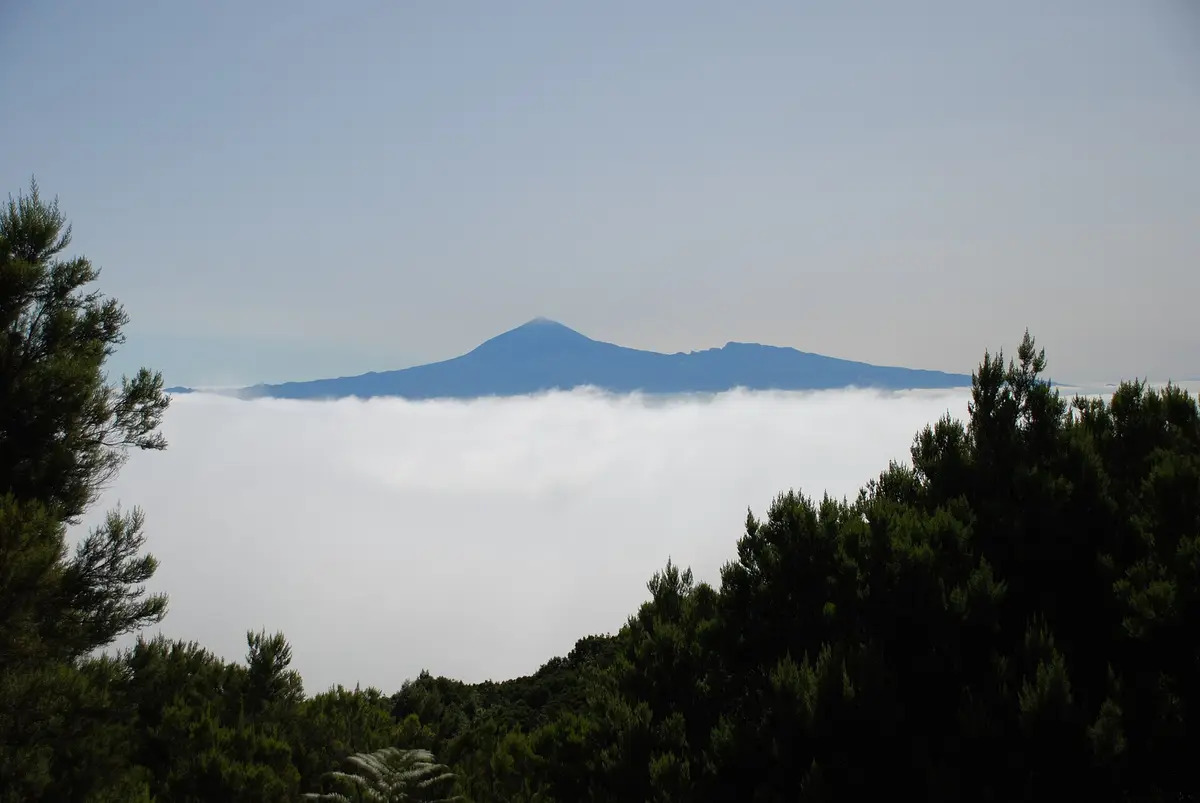
Teide National Park is not simply another viewpoint. The high-altitude volcanic landscape is the island's defining inland experience and deserves a dedicated half or full day.
Driving yourself gives the most freedom to stop at viewpoints and short walks. A Teide tour is useful if you do not want to drive or want transport bundled with a structured visit.
If you plan high-level hiking, check current Tenerife ON requirements. Some routes require prior reservations and mandatory equipment, while summit access is controlled separately.
Build one marine day into the trip
Tenerife's south-west waters support a strong whale- and dolphin-watching industry. The choice is less about whether boat trips exist and more about what kind of experience you want.
Choose whale watching when wildlife interpretation is the main purpose. Choose a broader boat trip when sailing, swimming, cliffs or a relaxed day on the water matter as much as wildlife.
Responsible operator practices matter. Tenerife has a sustainability charter for cetacean-watching businesses, which is a useful signal when comparing options.
Use the west for dramatic scenery
Masca and Los Gigantes fit naturally together in a west-coast day.
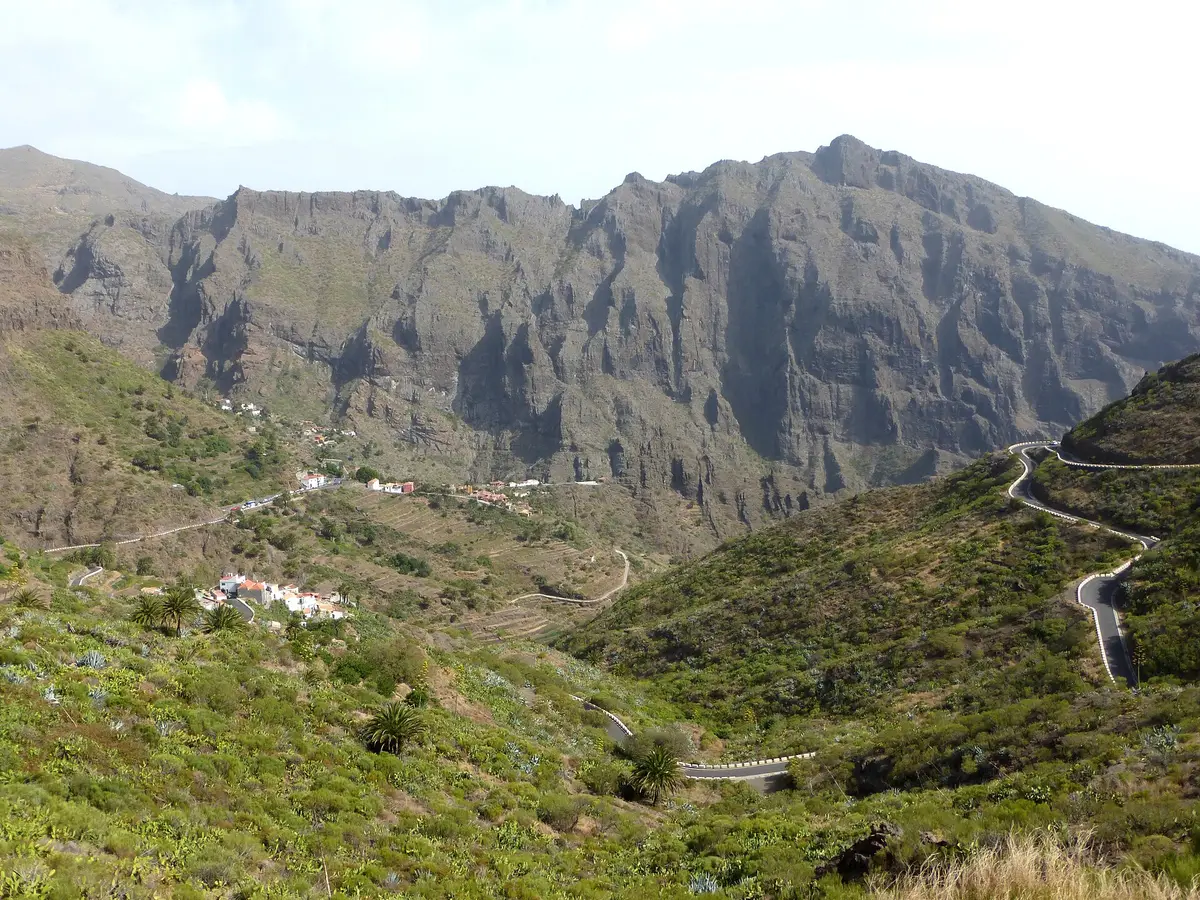
Masca gives you mountain scenery and a traditional hamlet in Teno. Los Gigantes gives you the sea-level view of huge cliffs and another strong boat-trip base.
The Masca gorge is a separate, controlled hiking activity. If the gorge is your goal, plan around the official booking and transport system rather than treating it as an informal add-on.
Use the north-east for nature
Anaga Rural Park is the counterpoint to Teide. Instead of open volcanic highlands, you get ridges, cloud forest, villages and Atlantic-facing valleys.
Anaga deserves time. Trying to combine a meaningful hike, multiple viewpoints and a long return to the south in one day is possible but rushed.
Beaches vary more than expected
Tenerife has resort beaches, black-sand beaches, urban beaches and smaller coves. The best beach is therefore contextual.
If you want easy facilities and a low-friction day, stay close to your resort. If you want scenery, travel for a specific beach only when it fits the rest of your route.
Our best beaches in Tenerife guide groups them by trip style rather than pretending one beach is universally best.
When should you visit?
Tenerife is a year-round destination, but season still matters.
The south is popular for winter sun, while mountain conditions can be much colder than the coast at any time of year. Summer is warmer and busier in some areas, and the north can feel cloudier than the south because of the island's topography.
Read best time to visit Tenerife and Tenerife in winter if weather is driving the booking decision.
What is worth booking?
Book experiences where capacity, transport or logistics matter:
- a specific whale-watching departure;
- a guided Teide experience;
- stargazing if you want equipment and interpretation;
- Siam Park tickets if it is a priority;
- controlled hiking where reservation rules apply.
Do not pre-book every hour. Beaches, resort walks, viewpoints and many town visits are better used as flexible space.
A practical first-trip structure
For most first-time travellers, a strong sequence is:
- three or four nights focused on the south-west coast and marine activities;
- one Teide day;
- one Masca/Los Gigantes day;
- one north or Anaga day;
- one flexible beach or water-park day.
You can do this from a single base, but a split stay can reduce driving if you want deeper north-coast coverage.
The next pages to use are where to stay, things to do and best tours.
Keep planning
Build the rest of your Tenerife trip
Use the core planning guides to connect where you stay, what you do and the day trips that are worth the travel time.