Tenerife travel guide
Teide National Park Guide: How to Plan Your Visit
Plan a Teide National Park visit with guidance on driving, cable-car planning, hiking reservations, altitude, weather and tours.
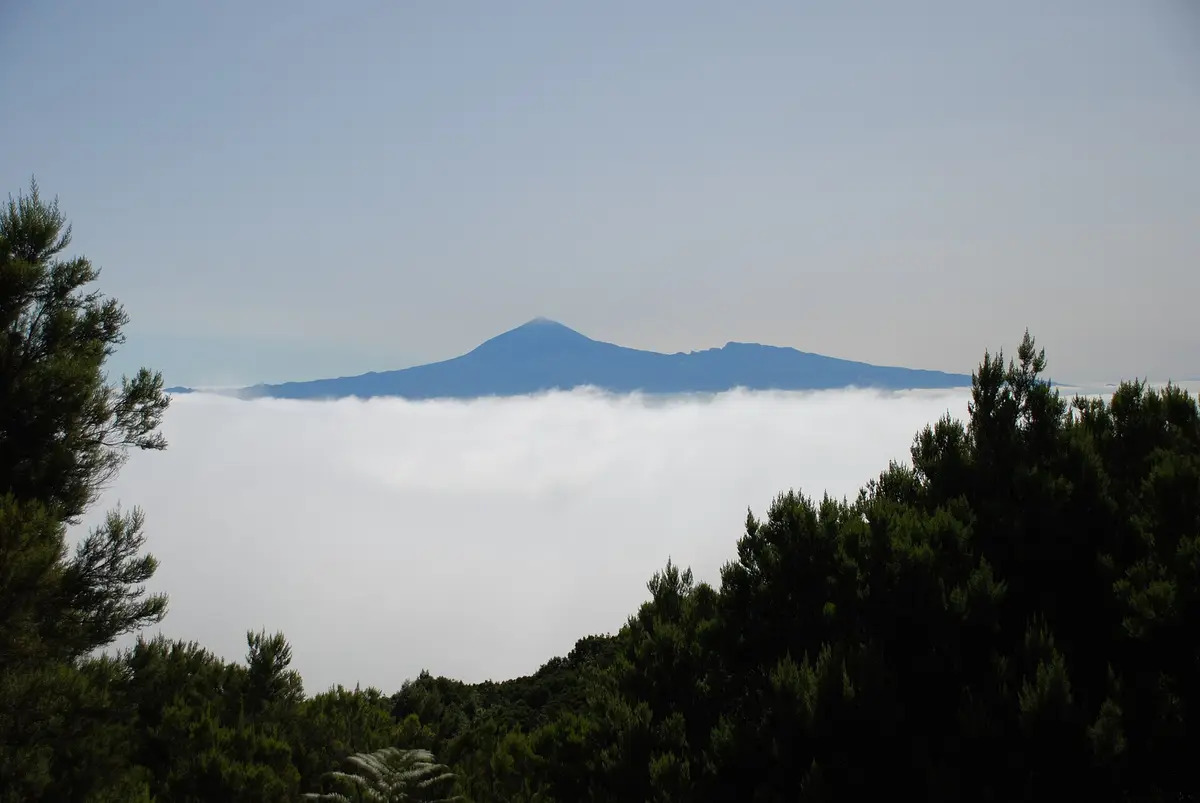
Teide National Park is Tenerife's defining inland landscape. The park sits high above the coast, and the change from resort streets to pine forest and then open volcanic terrain is one of the most memorable parts of the visit.
You do not need to reach the summit to have a worthwhile Teide day. The national park offers viewpoints, lava formations, short walks and the broad caldera landscape before any high-altitude hiking begins.
Three ways to visit
Drive yourself
Independent driving gives you the most freedom to stop at viewpoints and adapt the day to weather.
The mountain roads are generally manageable for confident drivers, but the combination of altitude, bends and changing weather deserves more attention than a normal coast-to-coast motorway trip.
Take a Teide tour
A Teide tour removes driving and parking decisions and is useful for visitors staying without a car.
Compare the exact route and what is included. A national-park tour, cable-car ticket and summit permission are not automatically the same product.
Combine Teide with stargazing
A daytime Teide visit followed by stargazing creates a long but distinctive mountain day.
This works best when you are comfortable with a late return and the operator has a clear weather policy.
Cable car versus summit
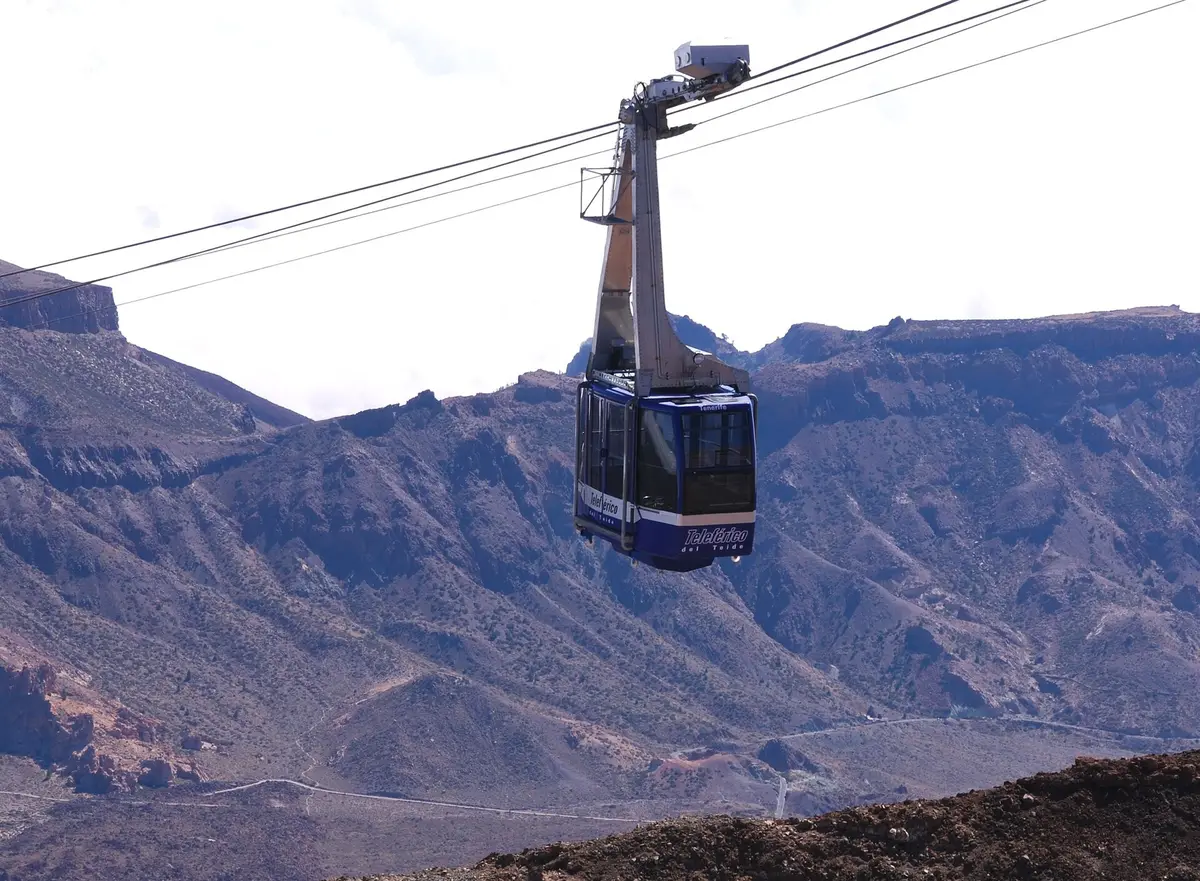
The cable car takes visitors high onto Teide, but the upper station is not the summit.
The final summit route is controlled separately. As of the latest official guidance checked on 24 September 2026, high-level access rules are managed through Tenerife ON, and the summit trail requires its own reservation.
Do not build a non-refundable itinerary around summit access without checking the current official rules first.
Official source: Tenerife ON.
Hiking reservations and equipment
Tenerife has tightened access controls on several high-altitude Teide trails.
Reservations are required for selected routes that reach the upper mountain, and official rules also specify mandatory equipment for some high-altitude access.
This is important because older travel articles may describe unrestricted hiking that is no longer accurate.
If a serious hike is part of your trip:
- identify the exact trail number;
- check Tenerife ON for current status;
- reserve the required slot;
- review equipment rules;
- check weather and closure notices again shortly before departure.
Altitude changes the day
Teide rises far above the coastal resorts. Even when Costa Adeje feels warm, the national park can be cold, windy or exposed.
Bring layers, sun protection and water. Do not judge mountain clothing from the beach forecast.
If you know you respond poorly to altitude, plan a gentler visit rather than treating the mountain as a fitness test.
How long should you allow?
For a first visit, half a day is the minimum useful amount of time. A full day is better if you want multiple viewpoints, short walks and an unhurried meal or visitor stop.
If you add cable-car time, a substantial hike or stargazing, the day becomes much longer.
Avoid planning Teide and Masca as two rushed halves of one giant mountain circuit.
Best time of day
Morning visits give you more flexibility if weather changes later and are useful for drivers who want to return before dark.
Late afternoon can be beautiful, especially if you are continuing into a stargazing experience, but temperature drops and night driving become part of the plan.
There is no guaranteed cloud-free hour. Mountain conditions can change quickly.
Teide from Costa Adeje or Los Cristianos
The southern resorts are convenient bases for a Teide day. You can drive through the southern approaches or join one of many organized excursions.
If you are staying in Costa Adeje or Los Cristianos without a car, a tour is usually simpler than trying to stitch the day together by public transport.
Teide from Puerto de la Cruz
Puerto de la Cruz approaches the park from the greener north.
The route itself is part of the experience as vegetation changes with altitude. It also makes Teide a natural centrepiece of a north-based itinerary.
What should you book?
Book only the parts your plan actually requires.
You may need:
- a guided excursion;
- a cable-car ticket;
- a high-altitude trail reservation;
- a separate summit reservation;
- a stargazing experience.
These are not interchangeable.
For an easier comparison of organized options, continue to Teide tours. For an evening plan, use Teide stargazing.
Teide fits best on day two or three of our one-week Tenerife itinerary, leaving flexibility to move the mountain day if conditions are poor.
Roads, viewpoints and parking
Teide is easier to enjoy when you accept that not every viewpoint needs a stop. Parking is finite at popular areas, and slowing traffic to chase every photograph creates a worse day for everyone.
Choose a few priority stops, then use unexpected empty viewpoints as bonuses. If a car park is full, continue rather than creating an unsafe roadside stop.
Fuel, water and basic supplies are easier to organize before the mountain day. Treat the park as a high-altitude excursion rather than a normal drive between resort towns.
Keep planning
Build the rest of your Tenerife trip
Use the core planning guides to connect where you stay, what you do and the day trips that are worth the travel time.