Tenerife travel guide
Whale Watching in Tenerife: How to Choose the Right Trip
Plan whale watching in Tenerife with advice on ports, boat size, responsible operators, sea conditions and what to compare before booking.
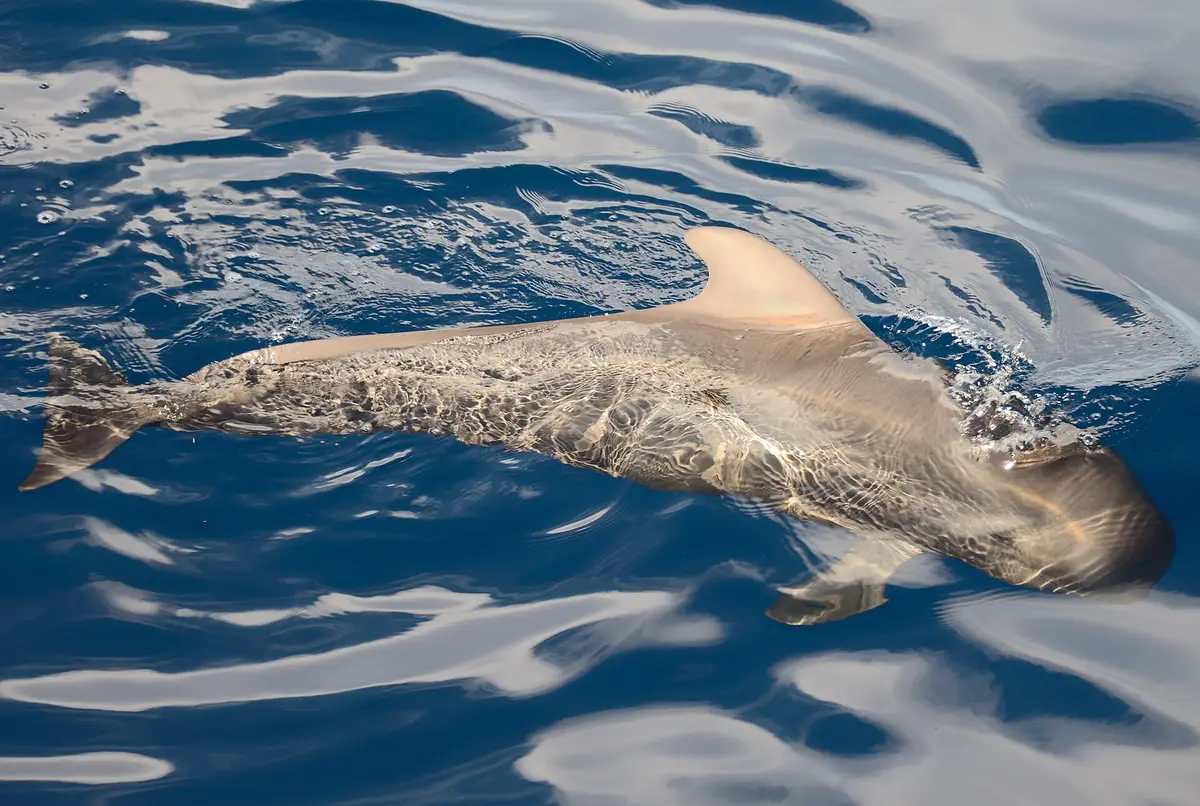
Whale watching is one of Tenerife's strongest bookable experiences because the island's south-west coast gives visitors regular access to a rich marine environment without requiring a long offshore expedition.
The important choice is not simply “which boat is cheapest?” It is which operator, boat size and trip format match the experience you want.
Why Tenerife is good for whale watching
The waters between Tenerife and La Gomera are known for resident cetacean populations and regular sightings.
Tourism authorities on Tenerife actively promote responsible whale and dolphin watching, including a sustainability charter for participating businesses. That does not guarantee a sighting, but it gives you a useful framework for comparing operators beyond price.
For current responsible-watching information, use Turismo de Tenerife's official material before booking.
Main departure areas
Puerto Colón
Puerto Colón in Costa Adeje is one of the most convenient departure points for travellers staying in the south.
It has a large excursion market and is easy to combine with a resort day.
Los Cristianos
Los Cristianos is another practical base with harbour access and good transport connections.
Los Gigantes
Los Gigantes adds dramatic cliff scenery to the marine day.
If you are already planning a west-coast visit, a boat trip from this area can combine two priorities efficiently.
Small boat or large catamaran?
Neither format is automatically better.
Smaller boats
Advantages:
- more intimate feel;
- easier communication with guides;
- often a stronger wildlife focus;
- fewer passengers.
Trade-offs:
- more motion;
- less shade and fewer facilities;
- can feel exposed in wind.
Larger boats and catamarans
Advantages:
- more space;
- toilets and shade are more common;
- better for groups and some families;
- often more comfortable for a relaxed cruise.
Trade-offs:
- more passengers;
- wildlife interpretation may feel less personal;
- the trip can be as much a leisure cruise as a wildlife tour.
Choose based on your tolerance for motion and the type of day you want.
Whale watching versus a general boat trip
A wildlife-led trip should prioritize observation and interpretation.
A general boat trip may also include whale or dolphin sightings but put more emphasis on swimming, sailing, food or coastal scenery.
If wildlife is your main reason for booking, choose a tour whose description and operator identity reflect that priority.
Responsible operator signals
Look for operators that explain:
- how they approach cetaceans;
- how they limit disturbance;
- what environmental standards they follow;
- whether they participate in Tenerife's sustainability initiatives;
- what their guides contribute beyond simply steering the boat.
Avoid treating a guaranteed close encounter as a sign of quality. Wildlife is not a staged attraction.
How long should the trip be?
For most first-time visitors, a two- to three-hour trip is long enough to create a meaningful marine experience without consuming the whole day.
Longer cruises can be worthwhile when swimming, lunch and sailing are part of the appeal.
If you get seasick easily, longer is not automatically better.
Sea conditions and seasickness
Even on sunny days, swell and wind can affect comfort.
If you are prone to motion sickness:
- choose a stable boat format;
- avoid a heavy meal just before departure;
- consider appropriate medication after checking what is safe for you;
- sit where the crew recommends;
- follow operator advice if conditions are rough.
A responsible company should be clear about cancellations or route changes when conditions are unsuitable.
What to bring
Bring:
- sun protection;
- a light layer, especially outside midsummer;
- secure footwear;
- water if not provided;
- a camera with a strap rather than loose equipment.
The sea can feel cooler than the resort promenade.
Best time in a one-week itinerary
Whale watching works well on day two, three or four, leaving flexibility to reschedule if sea conditions change.
Do not put it on the final morning before a flight.
Pair it with a nearby beach or relaxed afternoon rather than another major cross-island attraction.
Where to stay for whale watching
Costa Adeje is the easiest base if marine excursions are a major priority. Los Cristianos is also convenient.
Puerto de la Cruz is possible, but transfer time to the south-west can make an early departure less attractive.
For the full base comparison, see where to stay in Tenerife.
What to compare before booking
Check:
- departure port;
- boat capacity;
- duration;
- pickup or transfer arrangements;
- wildlife focus versus leisure-cruise focus;
- environmental commitments;
- food and swimming stops;
- cancellation policy.
A good whale-watching trip should feel like a marine experience first and a sales product second.
For a broader day on the water, continue to boat trips in Tenerife. For other activities, use best tours in Tenerife.
Morning or afternoon?
There is no guaranteed “best” departure time for wildlife. Choose the time that fits your itinerary and the operator's advice for expected sea conditions.
Morning departures work well if you want a relaxed beach afternoon. Later trips can fit travellers who prefer a slow breakfast and do not want an early pickup.
If one sailing has materially better forecast conditions than another, let the sea decide. The quality of the experience matters more than preserving a perfectly symmetrical day plan.
Keep planning
Build the rest of your Tenerife trip
Use the core planning guides to connect where you stay, what you do and the day trips that are worth the travel time.