Tenerife travel guide
Tenerife in Winter: What to Expect from a Winter-Sun Trip
Plan Tenerife in winter with realistic expectations for south-coast sun, northern cloud, Teide conditions, beaches and what to pack.
Tenerife is one of Europe's most useful winter-sun destinations because you can leave northern-European cold behind without giving up the variety of a real island trip.
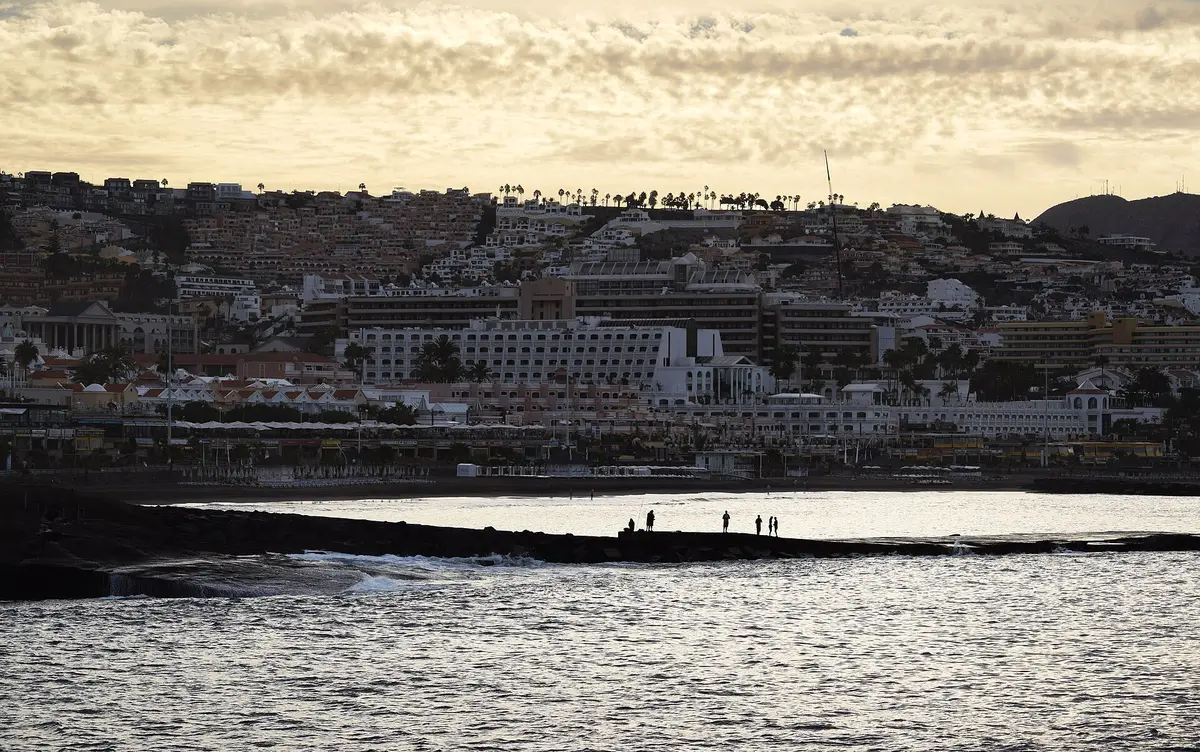
The key to enjoying Tenerife in winter is having realistic expectations: the south can feel warm and sunny, the north can be cloudier, evenings are cooler, and Teide is a high mountain that may have completely different conditions from the coast.
Stay south if winter sun is the priority
For a December, January or February trip built around sun and easy outdoor time, southern Tenerife is the strategic choice.
Costa Adeje and Los Cristianos combine:
- resort infrastructure;
- beaches;
- restaurants;
- whale-watching departures;
- easy access to Siam Park;
- broad hotel choice.
This does not guarantee sunshine every day. It improves your odds relative to the greener north.
The north is still worth visiting
Winter cloud should not make you ignore northern Tenerife.
Puerto de la Cruz can still be an excellent base for travellers who value town life and scenery more than a beach-first holiday.
Anaga can be atmospheric in cooler, cloudier conditions, although hiking plans should always respect rain and visibility.
The decision is about priorities, not whether one half of the island “works” in winter.
Can you swim in winter?
Many visitors do swim, especially in the south, but comfort is personal.
Air temperature, wind and sea conditions matter as much as a monthly average.
A heated hotel pool can be valuable for families who want reliable swimming every day.
For natural beaches, follow local safety flags regardless of season.
Whale watching in winter
Whale watching remains a strong winter activity.
Resident cetacean populations support a year-round excursion market, so you do not need to treat winter as an off-season for marine trips.
Choose the day with better sea conditions if your itinerary allows flexibility.
Teide in winter
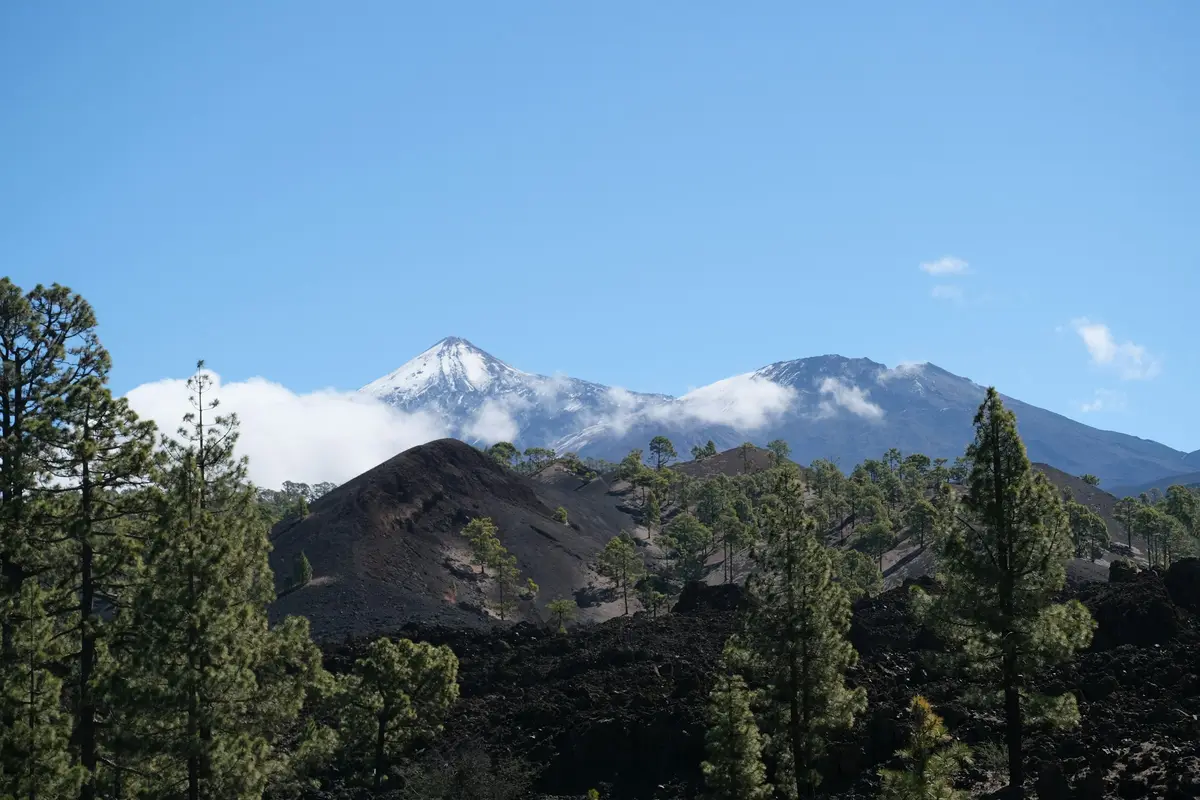
Teide National Park is where winter changes the trip most dramatically.
The mountain can be much colder than the coast, and snow or ice can affect high-altitude access.
Do not wear beach clothes because your hotel forecast looks mild.
Check current Tenerife ON conditions and road information before driving or hiking. Controlled trails may have reservation and equipment requirements regardless of season.
What to pack
For a winter week, pack for layers.
Useful items include:
- normal warm-weather clothing for sunny daytime conditions;
- a light jacket for evenings;
- warmer layers for Teide;
- closed shoes for hiking and mountain days;
- sun protection;
- a light waterproof layer if you are spending time in the north.
The mistake is packing for only one microclimate.
Winter evenings
Evenings can feel cool after a warm day, particularly with wind.
Outdoor restaurants and promenades are still part of the appeal, but a light layer makes the experience much more comfortable.
If you plan Teide stargazing, treat that as a mountain night, not a resort evening.
Christmas and school-holiday demand
Winter contains several high-demand periods.
Christmas, New Year and school holidays can affect flight and accommodation pricing, and popular activities may fill earlier.
If you travel in these periods, reserve:
- accommodation;
- must-do tours;
- any controlled mountain access you need.
Leave normal beach and town days flexible.
Is winter good for hiking?
Yes, with route-specific planning.
Lower and mid-elevation hiking can be very comfortable compared with summer heat.
High-altitude Teide routes are a different matter and require close attention to conditions.
Anaga may be wetter and cloudier, so footwear and route choice matter.
One-week winter itinerary
A good winter week might be:
- two south-coast resort or beach days;
- one Teide day;
- one whale-watching day;
- one Masca/Los Gigantes day;
- one Anaga or north-coast day;
- one flexible weather buffer.
That buffer is especially valuable in winter because you can move mountain and boat plans to better days.
Use the complete one-week Tenerife itinerary for sequencing and best time to visit Tenerife for the broader seasonal comparison.
Plan winter days around microclimates
A useful winter habit is to check conditions by area rather than looking at one island-wide weather symbol. If the north is under cloud, the south may still be bright; if the coast is warm, Teide can still require serious layers.
This flexibility is one reason a rental car can be valuable for part of the week. It lets you move a hiking, mountain or beach day to the part of the island with the better conditions.
Do not chase sunshine obsessively across Tenerife, however. Build one or two flexible days into the itinerary and use them to respond to real conditions rather than spending the holiday in the car.
Keep planning
Build the rest of your Tenerife trip
Use the core planning guides to connect where you stay, what you do and the day trips that are worth the travel time.