Tenerife travel guide
Tenerife Food Guide: What to Eat and Where to Look
Discover Tenerife food including papas arrugadas, mojo, gofio, local cheese, fish, wine and guachinches, plus how to fit local eating into a one-week trip.
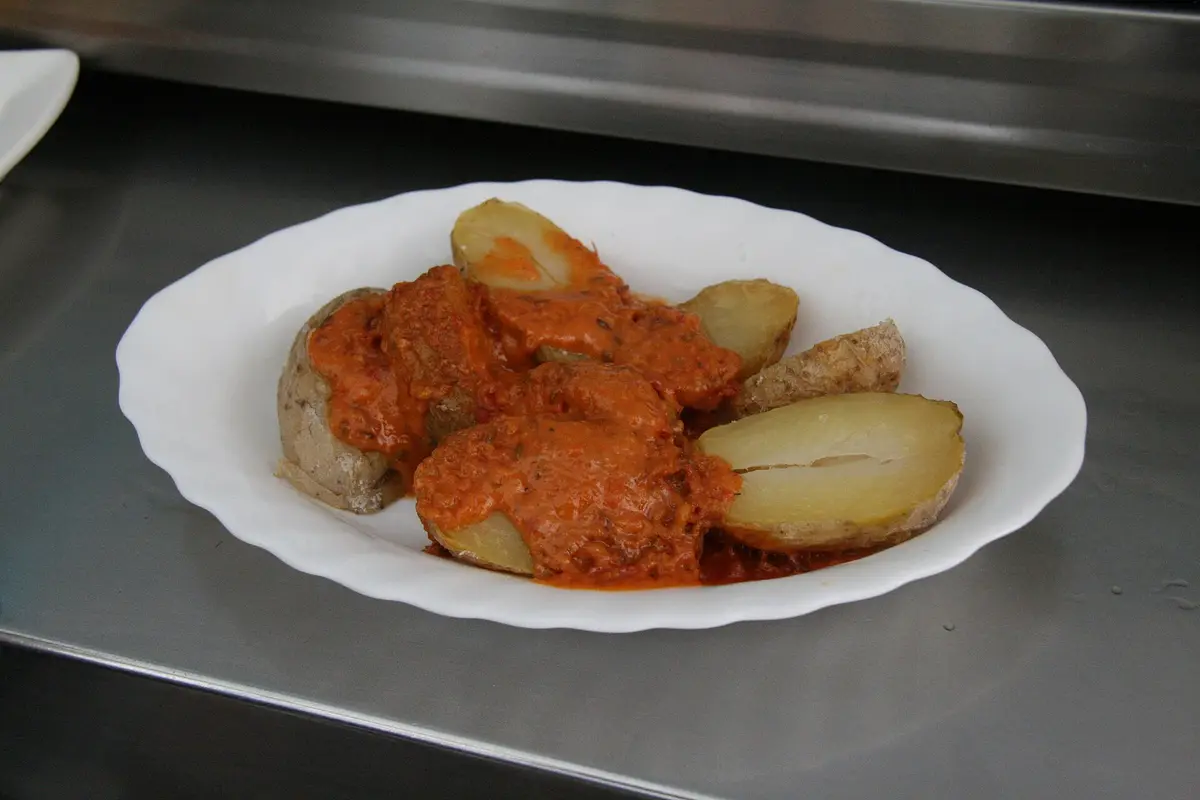
Tenerife food is easiest to understand when you stop looking for one “national dish” and instead look for simple Canarian ingredients, local sauces, potatoes, fish, cheese, gofio and island wine.
You can eat internationally in every major resort.
The more interesting part of a one-week trip is to use two or three meals to experience food that belongs to the island.
Papas arrugadas and mojo
Papas arrugadas are one of the easiest Canarian dishes for visitors to try.
Small potatoes are traditionally cooked in salted water and served with mojo.
Common sauces include:
- red mojo;
- green mojo.
They can appear as a side dish, starter or part of a larger meal.
If you try only one simple local combination, this is the obvious place to start.
Gofio
Gofio is toasted grain flour with deep roots in Canary Islands food culture.
Turismo de Tenerife describes it as a traditional ingredient inherited from the island's indigenous Guanche population.
You may encounter it:
- mixed into broth;
- in escaldón;
- with milk;
- in desserts;
- in other modern restaurant preparations.
Do not expect it to appear in the same form everywhere.
It is more useful to think of gofio as an ingredient than a single dish.
Cheese
Local cheese is another strong introduction to Tenerife.
Goat's cheese is especially common, sometimes fresh, cured, smoked or served grilled.
It may come with:
- mojo;
- honey;
- other local accompaniments.
A simple cheese plate can tell you more about the island than another international starter.
Fish and seafood
As an island destination, Tenerife naturally has a strong fish tradition.
The exact catch varies.
Instead of chasing one named species, ask what is local or fresh that day.
Coastal towns and north-west routes can be especially good places to make fish part of the itinerary.
Meat dishes
Canarian cooking also includes substantial meat dishes.
Traditional options can include pork, goat, chicken and rabbit preparations.
Menus vary by region and restaurant style.
If you are eating in a rural or traditional place, look beyond the resort standards and ask what the house is known for.
Canarian puchero
Puchero canario is a hearty stew built around vegetables and meat.
It is not necessarily the first dish you will see in a beach resort, but it is part of the broader Canarian cooking tradition.
This is the kind of food that makes more sense on a cooler inland or northern day than during a hot beach lunch.
Guachinches
Guachinches are one of the most distinctive food experiences associated with northern Tenerife.
They are informal establishments traditionally linked to local wine and home-style food.
The term is often used loosely by visitors, so do not assume every restaurant using the label represents the same format.
For a first trip, the main value is:
- simple local dishes;
- wine;
- informal atmosphere;
- a reason to explore north Tenerife.
They fit naturally into a La Laguna, Tacoronte, La Orotava or north-coast day.
Tenerife wine
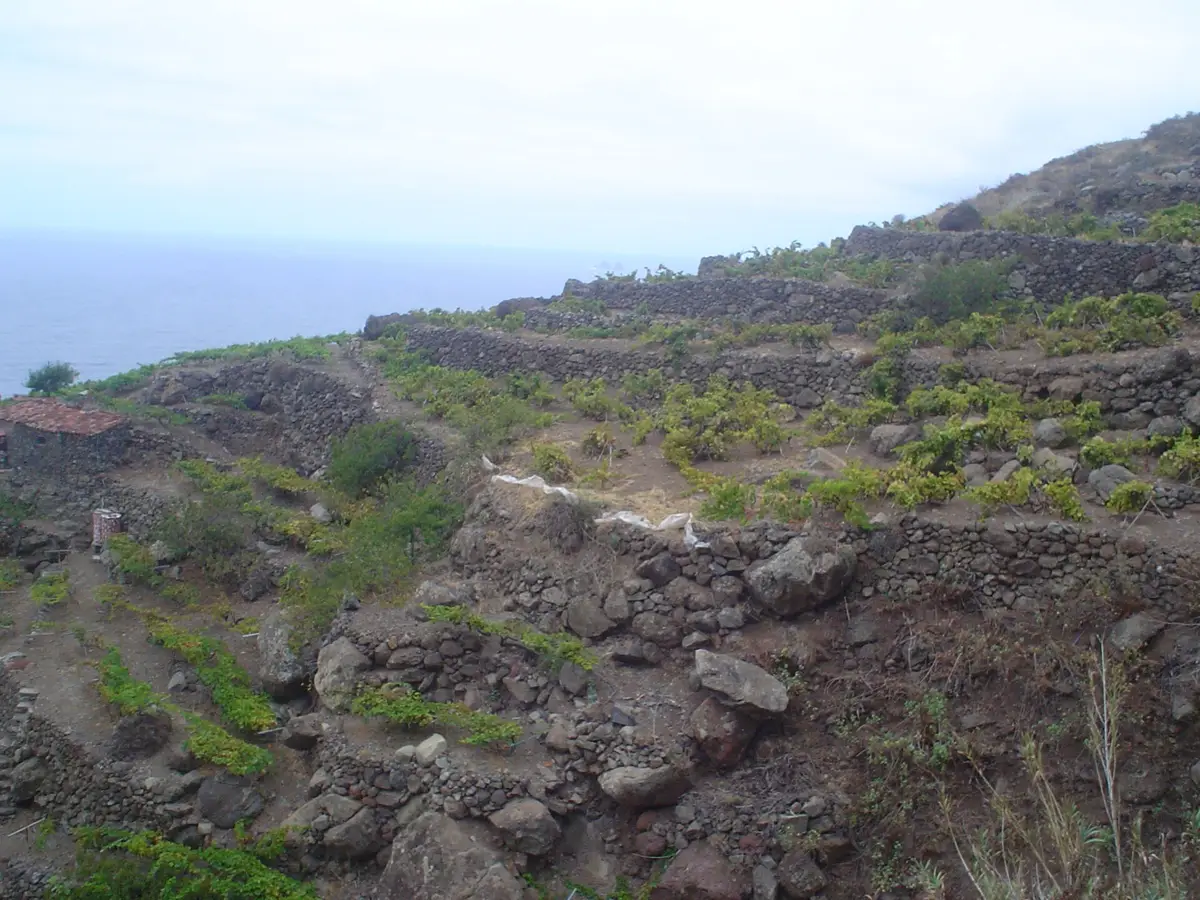
Tenerife has a long wine-growing tradition shaped by volcanic soils and varied microclimates.
Turismo de Tenerife highlights wine as an important part of the island's gastronomy.
For visitors, wine becomes more interesting when connected to place.
A north-coast or inland meal with local wine makes more sense than ordering a random bottle solely because it says Tenerife.
If you are driving, plan tastings responsibly and keep the driver alcohol-free.
Fruit and bananas
Bananas are one of the Canary Islands' most recognizable agricultural products.
Tenerife also grows a range of subtropical fruits.
Markets can be a simple way to add local produce to a self-catering or apartment stay.
You do not need a formal food tour to try them.
Where to eat in the south
Costa Adeje, Los Cristianos and Playa de las Américas offer huge restaurant choice.
That is useful, but the density of international food can make it easy to eat exactly as you would at home.
For at least one meal:
- look for a Canarian section;
- choose a local fish dish;
- order potatoes and mojo;
- try cheese or gofio.
The south is about convenience, not necessarily the island's strongest traditional-food atmosphere.
Where to eat in the north
The north is particularly useful for:
- guachinches;
- traditional dishes;
- wine;
- local-town restaurants;
- a slower lunch as part of a road trip.
La Laguna, Puerto de la Cruz, Icod and the wider north-coast area all give you opportunities to make food part of the day's destination.
Food tours and wine experiences
A paid food or wine experience can be worthwhile if it gives you:
- transport;
- multiple tastings;
- local context;
- access to producers;
- a route you would not build yourself.
Do not book a tour merely to eat one meal.
The value should come from comparison and guidance.
Families and local food
Canarian food can be approachable for children because many dishes are simple.
Potatoes, grilled meat, fish and cheese can be easier than a complex tasting menu.
Let children try small portions instead of making every meal a cultural lesson.
Vegetarian travellers
Vegetarian travellers can usually find options in the main resorts and towns.
Traditional menus may be more meat- or fish-heavy, so check before making a remote restaurant the only lunch option.
Modern Tenerife restaurants often reinterpret local ingredients in more flexible ways.
A good food plan for one week
Aim for:
- one traditional Canarian meal;
- one north-coast or guachinche-style meal;
- one seafood meal;
- one local wine experience if relevant;
- normal easy meals the rest of the week.
Food should improve the itinerary, not dominate every day.
Use Tenerife road trip to connect food stops with regional sightseeing and La Laguna, Garachico and Icod for destinations where a slower lunch fits naturally.
Keep planning
Build the rest of your Tenerife trip
Use the core planning guides to connect where you stay, what you do and the day trips that are worth the travel time.