Tenerife travel guide
Diving in Tenerife: Beginner and Certified Diver Guide
Plan scuba diving in Tenerife with guidance on beginner dives, certified sites, visibility, volcanic terrain, equipment and choosing a dive centre.
Tenerife is a strong scuba-diving destination because its volcanic coastline creates reefs, rock formations, drop-offs, caves and wreck environments, with diving possible throughout the year.
The right experience depends first on whether you are:
- a complete beginner;
- a recently certified diver;
- an experienced diver looking for specific sites.
Do not choose a dive only because the marketing mentions turtles.
Can beginners dive in Tenerife?
Yes.
Authorized dive centres offer introductory experiences for people without certification.
Turismo de Tenerife describes “bautismo de mar” introductory dives as a way to try the activity before taking a full course.
These experiences should be conducted by qualified staff through accredited centres or clubs.
If you have never dived before, choose a centre that explains:
- the briefing;
- maximum depth;
- instructor ratio;
- equipment;
- medical screening;
- what happens if you feel uncomfortable.
Certified divers
Certified divers have a much wider choice.
The island has:
- shore dives;
- boat dives;
- wrecks;
- volcanic structures;
- deeper sites;
- varying current levels.
Turismo de Tenerife's diving information lists sites by access, depth, current and difficulty.
That is a better starting point than choosing only by social-media photographs.
Abades
Abades on the south-east coast is one of the island's recognized diving areas.
Official tourism information lists it as a shore-access site with relatively low difficulty.
That makes the area useful for divers who want a simpler first dive on the island.
Conditions still need to be assessed on the day.
South and west
The south and west coasts host many dive centres because they are close to the main tourist areas.
This can make logistics easy if you are staying in:
- Costa Adeje;
- Los Cristianos;
- Playa de las Américas.
A morning two-dive trip can fit into the week without moving hotels.
North-coast diving
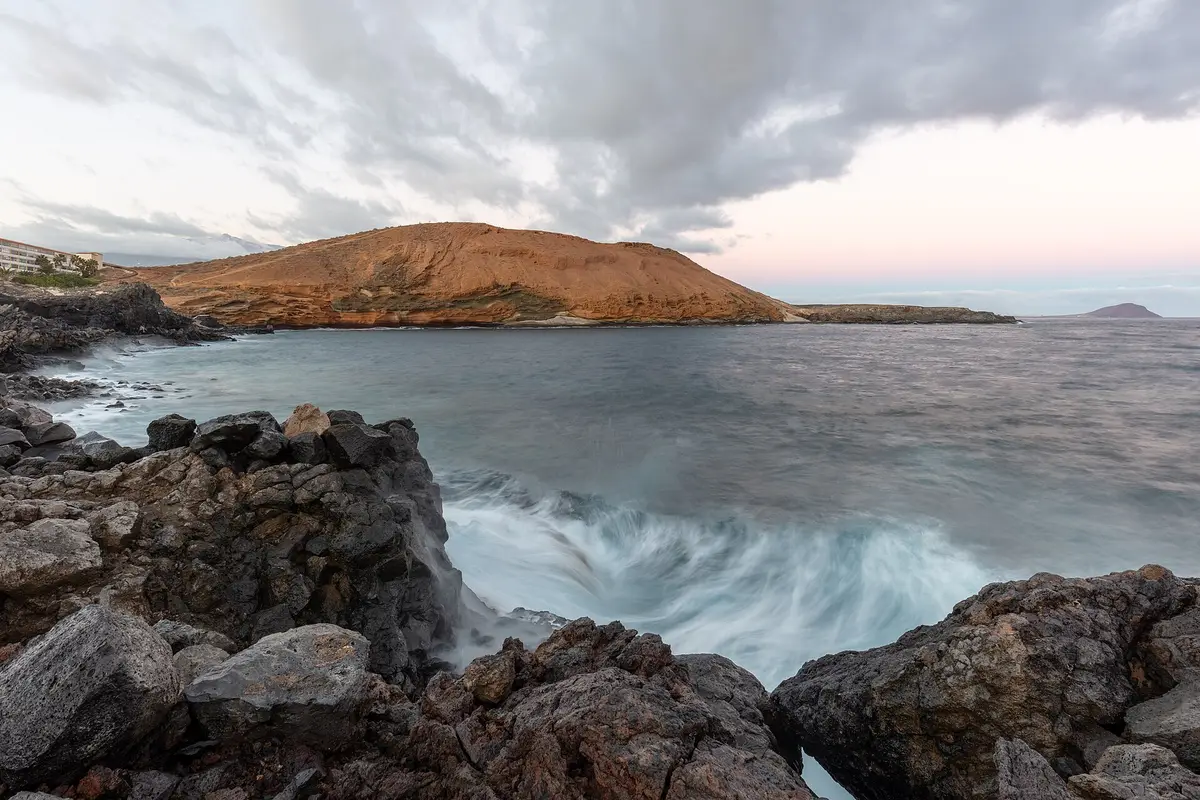
The north has additional sites but can be more exposed to Atlantic conditions.
A site that is suitable one day may be less attractive the next.
Local dive centres are valuable because they can move the plan based on wind, swell and visibility.
Visibility and water temperature
Turismo de Tenerife states that diving is possible year-round and cites underwater visibility commonly in the 10–30 metre range, with water temperature varying through the year.
Treat these as general conditions rather than a guarantee for your exact dive.
Local weather and sea state still determine the experience.
Equipment
Most holiday divers rent equipment from the centre.
Confirm what is included:
- BCD;
- regulator;
- wetsuit;
- weights;
- cylinder;
- computer if needed;
- mask and fins.
If fit is important to you, bring your own mask and computer.
A poorly fitting mask is a small problem that can dominate a dive.
Independent diving requirements
The simplest option for visitors is to dive through an authorized centre.
Official Tenerife tourism information notes that independent diving requires the appropriate certification, documentation and insurance, while an authorized centre handles the relevant operating requirements for its guided dives.
Rules can change, so confirm current requirements if you plan to dive independently.
Choosing a dive centre
Compare:
- authorization/accreditation;
- recent reviews;
- instructor languages;
- group size;
- equipment condition;
- emergency planning;
- site selection;
- pickup options;
- cancellation policy.
A centre that changes the site because conditions are poor is making a good safety decision, not reducing the value of the booking.
Wildlife
Possible sightings include:
- turtles;
- rays;
- schooling fish;
- other Atlantic marine species.
Wildlife is not guaranteed.
Do not choose a provider that implies a wild animal encounter can be promised.
Responsible diving means maintaining distance and avoiding contact with marine life.
Wrecks and advanced dives
Experienced divers can look beyond easy reefs to wrecks and more technical terrain.
Depth, current and overhead environments increase the skill requirement.
Be honest about recent experience, not just certification level.
A diver who has not been in the water for several years may benefit from a refresher before a deeper site.
Diving with a non-diving partner
A dive day does not have to divide the holiday.
Choose a centre near a beach or resort area so the non-diver can have an independent morning.
Alternatively, schedule diving during a day when other members of the group want a pool or beach break.
This is easier than making the whole group wait at a marina.
Diving and flying
Leave an appropriate no-fly interval after scuba diving.
The exact interval depends on the dive profile and recognized diving guidance.
Do not schedule your deepest or most repetitive dive immediately before departure day.
Ask the dive centre for current guidance and follow your training agency/computer recommendations.
Snorkelling instead
If scuba feels like too much commitment, snorkelling in Tenerife is an easier marine option.
It requires less equipment, less training and can fit into a short coastal session.
Families with mixed confidence levels may prefer that.
Best place in a one-week itinerary
Put diving in the middle of the trip.
That gives you:
- time to settle in first;
- flexibility if sea conditions move the booking;
- separation from the flight home.
A one-week trip can easily include one dive day without sacrificing Teide, whale watching and a west-coast excursion.
Booking checklist
Before booking, confirm:
- beginner or certified format;
- number of dives;
- maximum group size;
- equipment included;
- pickup;
- medical requirements;
- certification requirements;
- insurance arrangements;
- cancellation due to weather;
- no-fly timing advice.
For a broader marine day, compare whale watching, boat trips and snorkelling before deciding which activity earns your limited holiday time.
Keep planning
Build the rest of your Tenerife trip
Use the core planning guides to connect where you stay, what you do and the day trips that are worth the travel time.