Tenerife travel guide
Guachinches in Tenerife: What They Are and How to Visit
Understand Tenerife guachinches, what makes a genuine one, where they are concentrated, what to eat and how to plan a north-island food stop.
A guachinche is not simply a rustic Tenerife restaurant.
Traditionally, guachinches developed as places where local wine growers could sell their own wine with a small selection of simple food.
They are strongly associated with Tenerife's wine-growing north and are one of the island's most distinctive informal food experiences.
The useful question is not “which one is ranked number one?” It is how to recognize the format and fit it naturally into a north-island day.
What makes a guachinche different?
The guachinche tradition centres on house-produced wine and a limited food offering.
The category is regulated in the Canary Islands, which means the term has a more specific meaning than “traditional restaurant.”
In practice, visitors also encounter many ordinary restaurants using guachinche-style language or atmosphere.
That does not automatically make the food bad, but it is useful to know the difference.
If authenticity matters, check current official/local listings and the establishment's own description.
Where are guachinches?
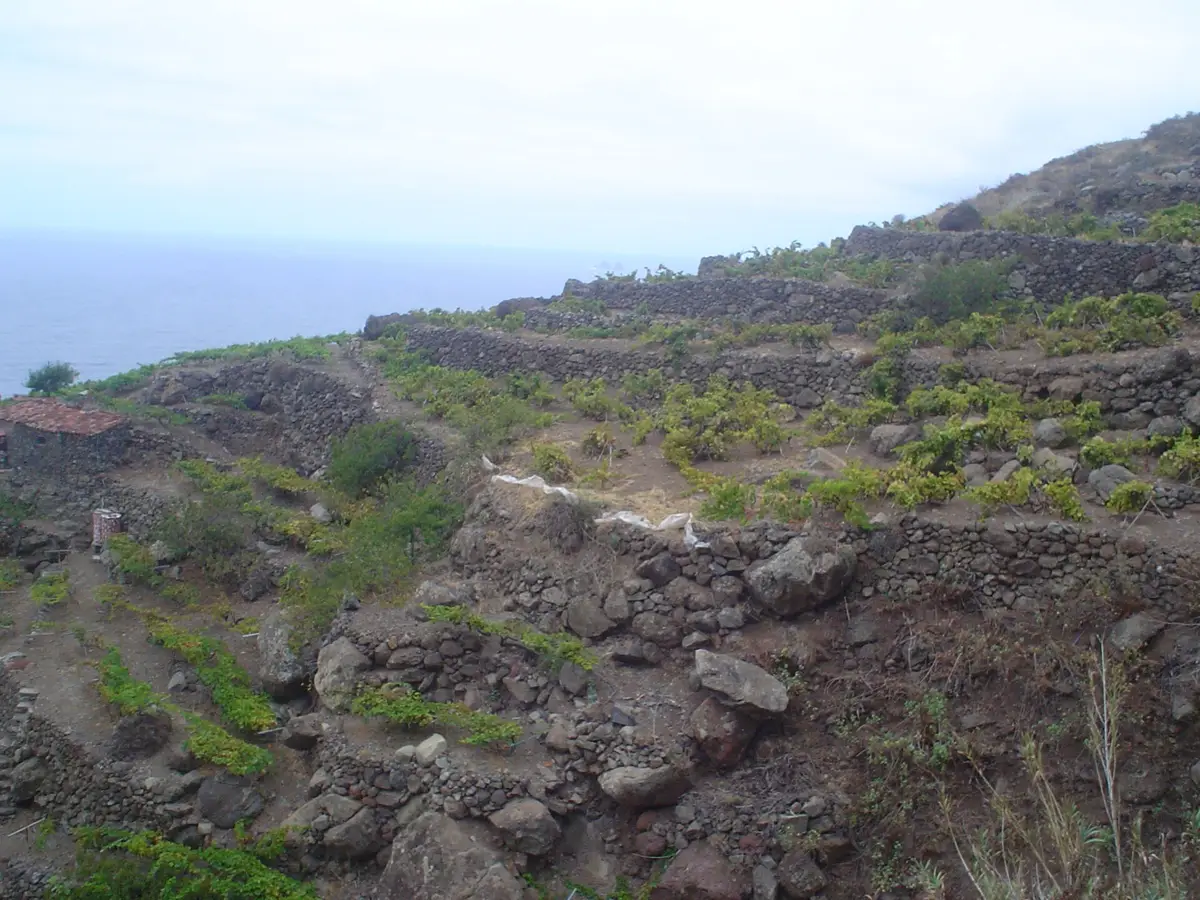
The strongest concentration is in northern Tenerife's wine-growing areas.
Common areas include parts of:
- La Orotava Valley;
- Santa Úrsula;
- La Victoria;
- La Matanza;
- Tacoronte;
- El Sauzal;
- Los Realejos.
This makes a guachinche easiest to include on a La Orotava, La Laguna or north-coast road day.
Driving from Costa Adeje solely for dinner can be a long return journey, especially if the driver also wants to taste wine.
What do you eat?
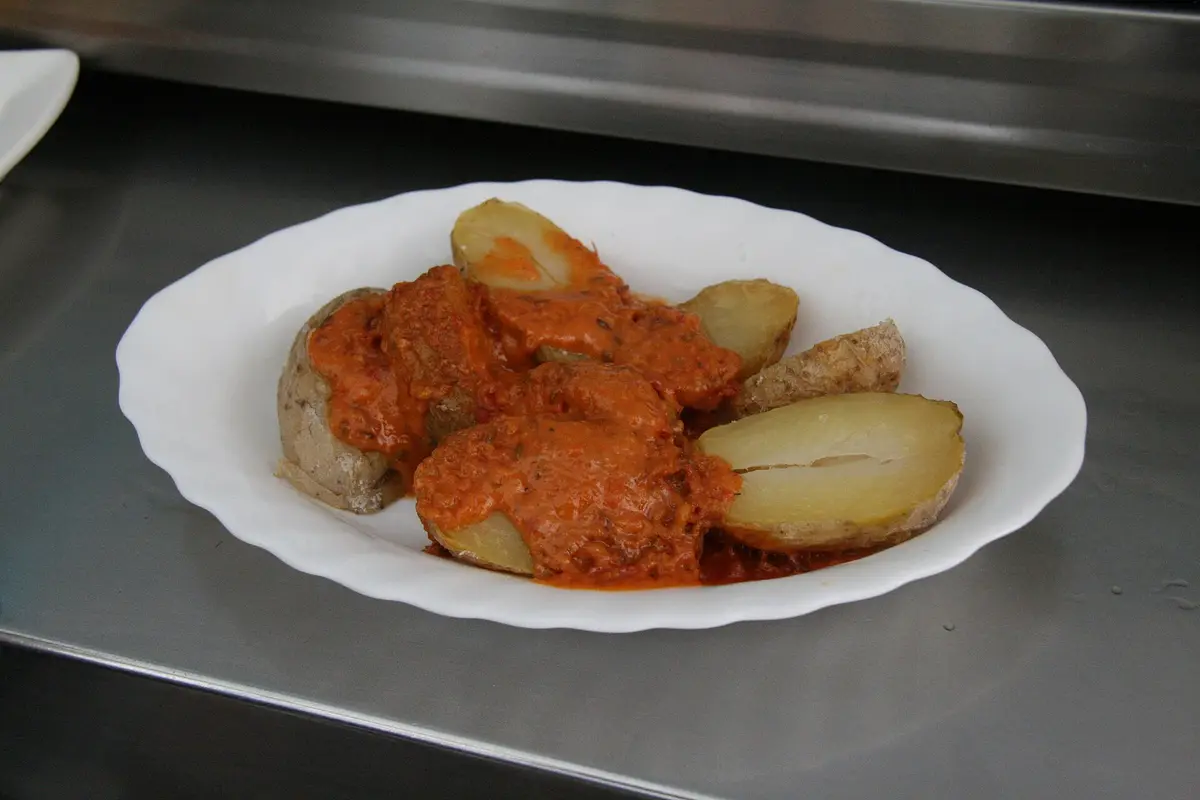
Menus are generally associated with straightforward Canarian cooking rather than elaborate restaurant presentation.
You may encounter dishes such as:
- papas arrugadas;
- mojo;
- grilled or stewed meats;
- cheese;
- chickpea dishes;
- croquettes;
- local vegetables;
- seasonal house dishes.
The exact offering is part of the point.
A short menu can be more characteristic than a huge laminated list designed for tourists.
House wine
Wine is central to the tradition.
Do not expect a broad sommelier-style wine list in a traditional guachinche.
The house wine is often the reason the establishment exists.
If you are driving, this creates an obvious planning issue.
Keep the driver alcohol-free or arrange transport that lets everyone who wants to taste do so safely.
Opening periods
Guachinches can have less predictable operating patterns than normal resort restaurants.
Traditional opening periods can relate to the availability of the producer's wine, and individual businesses may have limited days or seasonal closures.
This is why static “best guachinches” lists become stale quickly.
Check the specific establishment on the day or shortly before making a special journey.
Keep a second option nearby.
Do you need a reservation?
It depends on the establishment.
Some popular places can be busy, while others operate informally.
If a specific guachinche is central to your itinerary, contact it directly.
If the point is simply to experience the food tradition, flexibility is better: choose an area with several possibilities and let the meal fit the road day.
Guachinches from Puerto de la Cruz
Puerto de la Cruz is a strong base for this food experience because you are already near northern wine areas.
A good day could combine:
- La Orotava;
- a viewpoint or short drive;
- guachinche lunch;
- return to Puerto de la Cruz.
This makes food part of the route rather than a separate excursion.
Guachinches from Costa Adeje
From Costa Adeje, use a guachinche as part of a full northern day.
Possible combinations:
- La Orotava + guachinche;
- La Laguna + wine country;
- Icod/Garachico + north-coast meal.
Do not build a long mountain drive around an unconfirmed restaurant opening.
Guachinche or normal Canarian restaurant?
Choose a guachinche if you want:
- the wine-growing tradition;
- informal local food;
- a rural/northern setting;
- a specific cultural experience.
Choose a normal Canarian restaurant if you want:
- predictable hours;
- a broader menu;
- easier dietary planning;
- no dependency on a particular wine tradition.
Both can provide excellent local food.
Vegetarians and dietary needs
Traditional guachinche menus can be meat-heavy and limited.
Vegetarian travellers should check what is available before making a remote establishment the only meal plan.
Allergies and other dietary requirements should be discussed directly with the business.
A small kitchen may have less flexibility than a large resort restaurant.
Families
Families can enjoy the informal atmosphere, but the value depends on the children.
Simple potatoes, cheese and meat dishes can be approachable.
A remote lunch that lasts several hours may be less appealing to younger children.
Choose a place that fits the day's route rather than turning lunch into a major transport exercise.
Guachinches and Tenerife wine
Guachinches make more sense when you understand Tenerife's wine regions.
The island has several recognized wine denominations, with volcanic soils and strong local grape traditions.
A separate Tenerife wine guide is part of the next content layer because winery visits, appellations and tastings are a broader task than eating at a guachinche.
Food etiquette
Treat the experience as a working local food business, not a themed attraction.
Useful habits:
- be patient with a small menu;
- ask what is available;
- do not expect every staff member to speak perfect English;
- respect local opening patterns;
- avoid demanding a resort-style service model.
The informal character is part of why people seek guachinches out.
Should you add one to a one-week itinerary?
Yes, if food and local culture matter to you and you are already visiting the north.
No, if your itinerary is entirely south-based and the detour would consume half a day.
For most first-time visitors, one guachinche meal is enough to understand the idea.
Use Tenerife food guide for the broader cuisine overview and Tenerife road trip to place the meal geographically.
Keep planning
Build the rest of your Tenerife trip
Use the core planning guides to connect where you stay, what you do and the day trips that are worth the travel time.