Tenerife travel guide
Tenerife Wine Guide: Regions, Wineries and Tastings
Discover Tenerife wine regions, volcanic vineyards, winery visits and tasting routes, including Valle de La Orotava, Tacoronte-Acentejo and north-island planning.
Tenerife has a serious wine culture that is easy to miss if you spend the whole week inside the southern resort belt.
The island's volcanic soils, altitude and microclimates support vineyards across several distinct wine regions, with both traditional producers and wineries that welcome visitors.
For a one-week trip, wine works best as part of a northern or inland day rather than as a separate island-wide chase between tasting rooms.
Why Tenerife wine is interesting
Wine has been part of Tenerife's agriculture for centuries.
The official island tourism organization recognizes five Tenerife wine denominations:
- Tacoronte-Acentejo;
- Valle de La Orotava;
- Ycoden-Daute-Isora;
- Valle de Güímar;
- Abona.
They cover very different terrain, from humid northern slopes to higher and drier southern vineyards.
That variety is the reason a generic bottle labelled “Tenerife” does not tell the whole story.
Volcanic soils and altitude
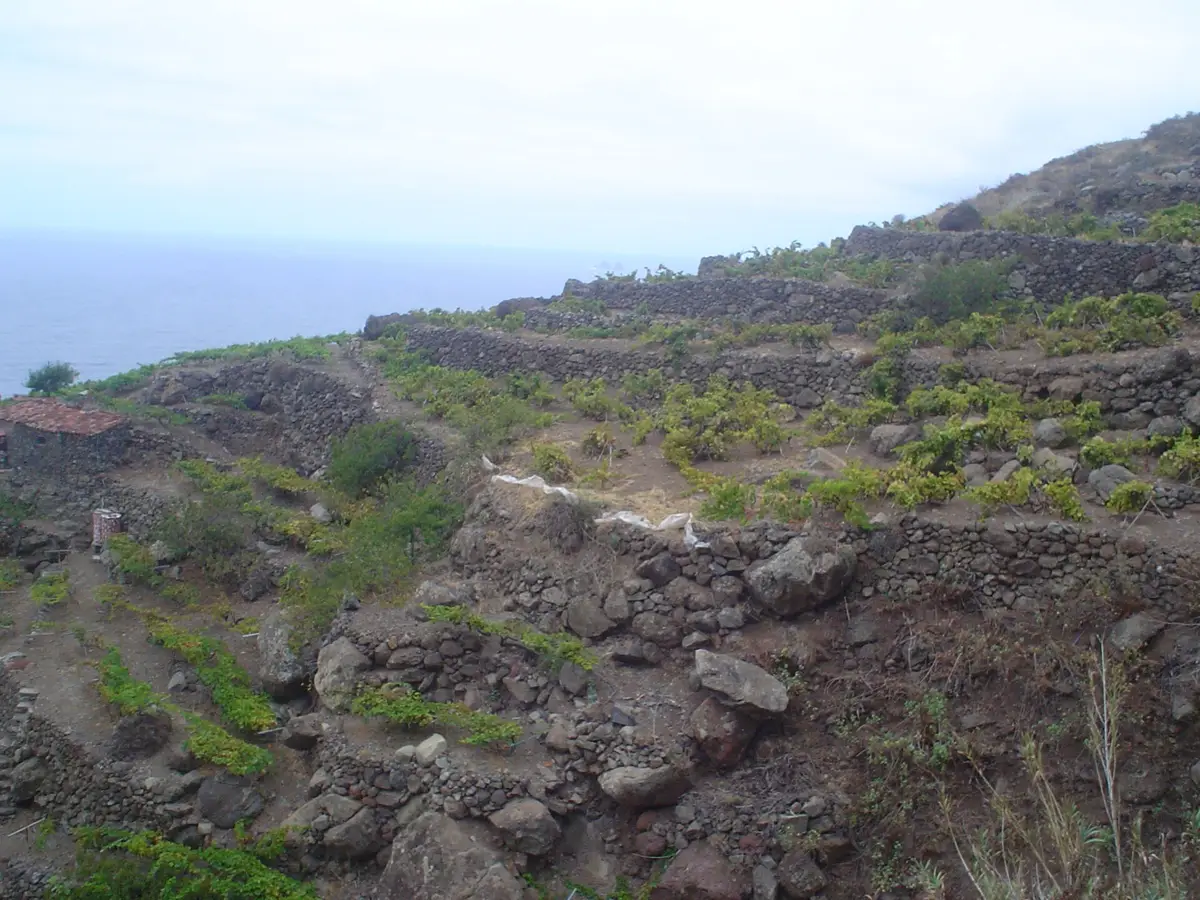
Tenerife's vineyards grow in volcanic ground and at very different elevations.
Altitude affects:
- temperature;
- ripening;
- exposure;
- the character of individual growing zones.
Some vineyards sit high above the coast, while others spread across the greener northern valleys.
You do not need to understand viticulture to appreciate the visual contrast between vines and Tenerife's volcanic landscape.
Valle de La Orotava
The La Orotava area is one of the easiest wine regions to add to a normal visitor itinerary.
Official tourism information highlights the Valle de La Orotava designation on the northern slopes around La Orotava, Los Realejos and Puerto de la Cruz.
This region works naturally with:
- La Orotava old town;
- a guachinche lunch;
- Puerto de la Cruz;
- a winery visit.
It is a much more coherent plan than driving north solely for one glass of wine.
Tacoronte-Acentejo
Tacoronte-Acentejo is another important northern wine area.
It fits well with a La Laguna or north-coast day and has a long wine-growing tradition.
The official Tenerife wine route passes through towns and vineyard areas in this part of the island.
For visitors staying in the south, this is best treated as a full north day rather than an evening restaurant detour.
Ycoden-Daute-Isora
The Ycoden-Daute-Isora denomination covers much of north-west Tenerife, including places such as Icod, Garachico and Santiago del Teide.
That makes wine easy to connect with a Garachico and Icod road trip.
A winery stop can add depth to a day that would otherwise become a sequence of viewpoints and historic streets.
Southern wine regions
Wine is not only a northern activity.
Abona and Valle de Güímar cover parts of the south and east, with vineyards reaching significant elevation.
Travellers who are based in Costa Adeje but do not want a long northern drive can still find winery experiences closer to the south.
Check current visitor access because not every winery functions as a walk-in tourist attraction.
What wines should you try?
Tenerife produces:
- whites;
- reds;
- rosés;
- sweet or aromatic styles;
- wines from local grape varieties.
Malvasía has a particularly long historical association with Canary Islands wine.
The best approach is not to arrive with one “must-try” label.
Ask the winery or restaurant what represents the area you are actually visiting.
Winery visit or restaurant tasting?
Choose a winery visit if you want:
- vineyard context;
- production explanation;
- several wines;
- a more structured experience.
Choose a restaurant or guachinche if you mainly want wine with food.
A winery is not automatically better; it simply gives more context.
Our guachinches guide covers the traditional house-wine dining format.
Do you need to book winery visits?
Often, yes.
Some wineries have regular tourism programmes, while others require advance contact or operate limited tours.
Do not assume that seeing a winery name on a map means you can arrive unannounced for a tasting.
Check:
- opening days;
- tour language;
- tasting format;
- whether food is included;
- transport.
Use the producer's own current information before travel.
Wine tours
A guided wine tour can solve the biggest practical problem: driving.
It can also combine several producers or food stops without requiring one person to remain alcohol-free.
Compare:
- number of wineries;
- transport;
- group size;
- food;
- pickup area;
- total driving time.
A tour from Costa Adeje may spend significant time reaching northern vineyards, so the route matters.
Driving and alcohol
If you self-drive, designate a driver who does not drink.
Do not treat small tastings as an excuse to ignore normal driving safety.
A winery route is one of the situations where a tour, taxi or planned sober driver can create real value.
Wine with a north-coast day
A strong first-time wine day might be:
- La Orotava old town;
- winery or vineyard visit;
- lunch;
- Puerto de la Cruz or a north-coast viewpoint.
Another option is:
- Icod;
- Garachico;
- winery stop in the north-west.
This keeps transport logical.
Wine and food
Canarian wine works naturally with:
- cheese;
- grilled meat;
- fish;
- papas arrugadas;
- local sauces.
You do not need a formal tasting menu.
A simple local meal can give enough context for visitors who are interested in wine but do not want a wine-focused holiday.
See Tenerife food guide for the broader cuisine.
Buying bottles
If you want to bring wine home, consider:
- airline baggage rules;
- weight;
- customs rules at your destination;
- protective packing.
A bottle that is easy to buy locally may not be worth sacrificing hand-luggage space.
Is a wine day worth it?
Yes, for travellers who enjoy food, landscapes and local agriculture.
It is less important for a first-time beach-and-attractions trip with only five or six full days.
For a balanced one-week itinerary, one wine stop integrated into a north day is enough for most visitors.
Use Tenerife road trip to place the region efficiently and guachinches in Tenerife for the most distinctive informal food-and-wine tradition.
Keep planning
Build the rest of your Tenerife trip
Use the core planning guides to connect where you stay, what you do and the day trips that are worth the travel time.