Tenerife travel guide
Teide Summit Hike: Permit, Routes and What to Know
Plan a Mount Teide summit hike with current permit rules, Telesforo Bravo access, cable-car options, altitude, equipment and weather planning.
Reaching the summit of Mount Teide is a different project from simply visiting Teide National Park or riding the cable car.
The final normal-access route to the peak is the Telesforo Bravo trail, which runs from La Rambleta at about 3,550 metres to the summit at about 3,715 metres. Access is controlled and requires a permit.
As of 24 September 2026, current official National Parks information directs visitors to manage the relevant summit permits through Tenerife ON.
Because rules, closures and equipment requirements can change, verify the current Tenerife ON listing immediately before committing the day.
Do you need a permit for the summit?
Yes.
The Telesforo Bravo trail is the controlled final section between La Rambleta and Pico del Teide.
Current official access rules require a permit, and availability is limited.
Do not confuse:
- entry to Teide National Park;
- a Teide Cable Car ticket;
- access to the summit trail.
They are separate things.
You can visit the park without a summit permit. You can also ride the cable car without automatically gaining permission to hike the final summit section.
Where do you get the permit?
Current official National Parks booking pages direct permit management to Tenerife ON.
Use the Tenerife ON website or app and read the exact activity conditions attached to your chosen time window.
Do not use an old blog link or assume the permit system has stayed unchanged since a previous visit.
At the time this guide was verified, official listings included daytime summit access as well as specific mountaineering access windows outside normal cable-car operating hours.
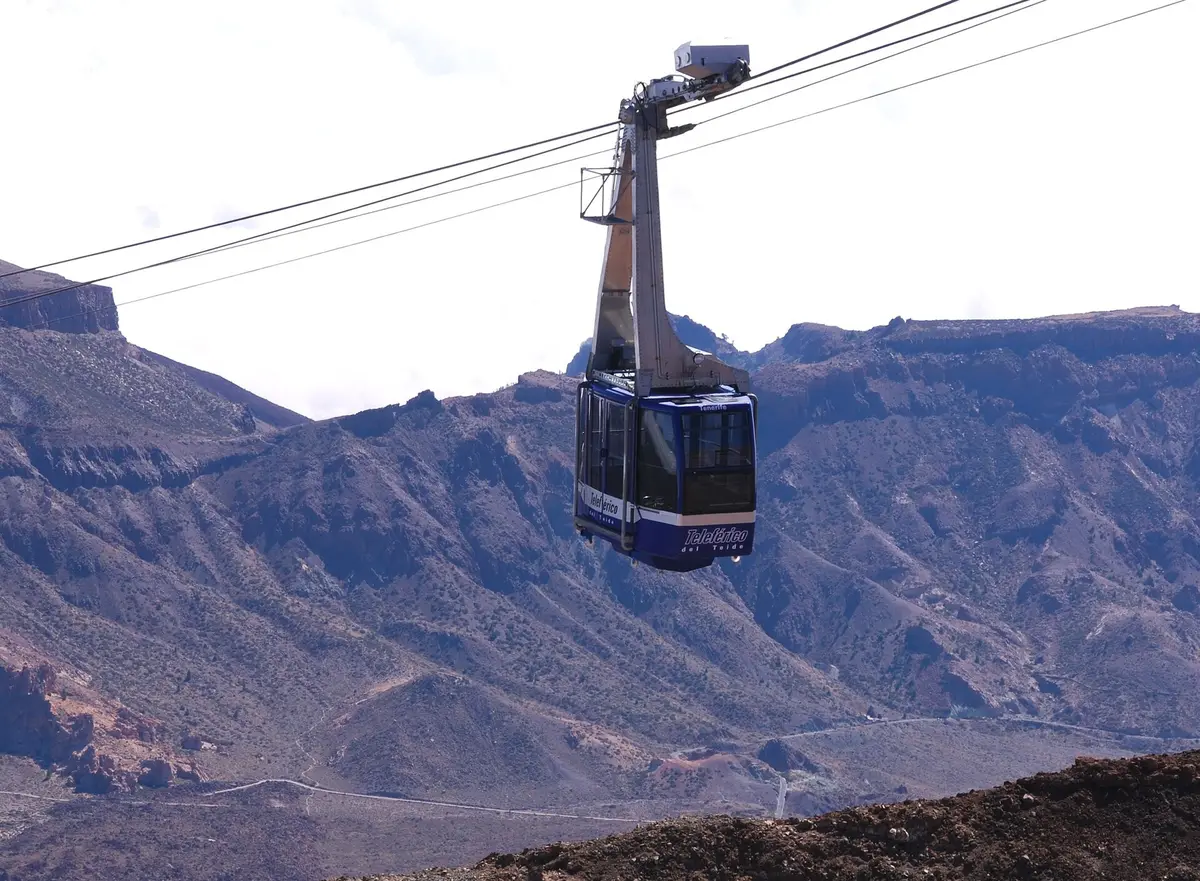
Cable car route to the summit
The easiest physical approach is:
- reach the cable-car lower station;
- ride to La Rambleta if the cable car is operating;
- use the permitted Telesforo Bravo route to the summit;
- return to La Rambleta;
- descend by cable car if your ticket and operating conditions allow.
This removes most of the ascent but does not remove altitude.
Even the short final section can feel demanding at more than 3,500 metres.
If your plan depends on the cable car, weather closure can disrupt the entire day.
Hiking from lower on the mountain
Experienced hikers may approach the summit on foot from lower routes rather than using the cable car.
This changes the day completely.
You are then dealing with:
- substantial elevation gain;
- a much longer route;
- high-altitude exposure;
- daylight planning;
- current controlled-trail rules;
- potentially different equipment requirements.
Do not treat a full mountain ascent as an extended version of a normal national-park walk.
Check every trail segment in Tenerife ON before setting out.
Sunrise and sunset access
Current official National Parks listings include controlled mountaineering access outside normal cable-car hours for sunrise and sunset periods.
These are still permit-based activities.
They also add:
- darkness;
- colder conditions;
- navigation pressure;
- no normal cable-car service during the access window.
Only choose this format if your fitness, mountain experience and equipment match the conditions.
For visitors who mainly want sunset and stars rather than a summit ascent, a Teide stargazing experience is usually simpler.
Altitude
Teide's summit is high enough for altitude to matter.
Possible symptoms can include:
- headache;
- dizziness;
- shortness of breath;
- nausea;
- unusual fatigue.
Move slowly and do not treat symptoms as something to push through for a photograph.
If you feel unwell, descending is the sensible response.
Anyone with medical concerns affected by altitude should seek appropriate advice before attempting the summit.
Equipment
Required equipment depends on season, conditions and the exact controlled route.
At high altitude you should expect to need:
- proper closed mountain footwear;
- warm layers;
- wind protection;
- sun protection;
- enough water;
- charged phone;
- suitable navigation information.
Winter conditions may require specialist equipment such as crampons or an ice axe when official rules specify them.
Do not buy a permit and then assume normal holiday clothing will be accepted.
Tenerife ON is the source to check for the current mandatory equipment list.
Weather and closures
Teide can close or restrict access because of:
- ice;
- snow;
- strong wind;
- fire risk;
- trail damage;
- other safety conditions.
A summit permit does not override a closure.
A clear forecast at Costa Adeje is not relevant evidence for the summit.
Check the mountain-specific conditions close to the hike.
Our Tenerife weather guide explains why the coast and summit can feel like different seasons.
How fit do you need to be?
The cable-car-assisted summit route is short compared with a full ascent, but altitude makes the effort harder than the distance suggests.
A full walking ascent requires much more fitness.
Choose the version based on:
- recent hiking experience;
- comfort with elevation gain;
- altitude tolerance;
- current conditions.
If your only goal is to “say you reached the top,” reconsider whether the summit adds enough value to justify the logistics.
The national park itself is already one of Tenerife's strongest experiences.
Guided summit hike
A guided option can make sense when you want:
- professional mountain leadership;
- help coordinating permits and cable-car products;
- route interpretation;
- less uncertainty around equipment and conditions.
Check exactly what the guide includes.
A general “Teide tour” may only visit viewpoints and the cable-car area. It is not automatically a summit hike.
Our Teide tours guide covers the broader excursion market.
Summit hike with children
The summit is not a default family activity.
Age, health, altitude and permit conditions all matter.
Families usually get more value from:
- park viewpoints;
- short lower walks;
- the cable car where permitted;
- a normal scenic Teide day.
If an older child is an experienced hiker, check the current official age/access rules before building the week around the summit.
Parking and timing
If using the cable car, parking and boarding time are part of the summit plan.
Arrive with margin.
A permit window can be wasted if you reach the upper station late because of:
- traffic;
- parking;
- boarding queues;
- weather interruptions.
Do not schedule the summit on the same day as another fixed island attraction.
Best place in a one-week itinerary
Put the summit in the first half or middle of the week.
That gives you some chance to reorganize if weather closes the mountain.
Keep the following day flexible if you are doing a full ascent rather than a cable-car-assisted visit.
Is the summit worth it?
Yes, for hikers who specifically want the physical and high-altitude experience.
No, it is not necessary for a great Tenerife trip.
A first-time visitor can see extraordinary Teide landscapes without reaching the exact highest point.
Start with Teide National Park and decide whether the summit is genuinely one of your trip priorities before taking on permits, equipment and weather risk.
Keep planning
Build the rest of your Tenerife trip
Use the core planning guides to connect where you stay, what you do and the day trips that are worth the travel time.